
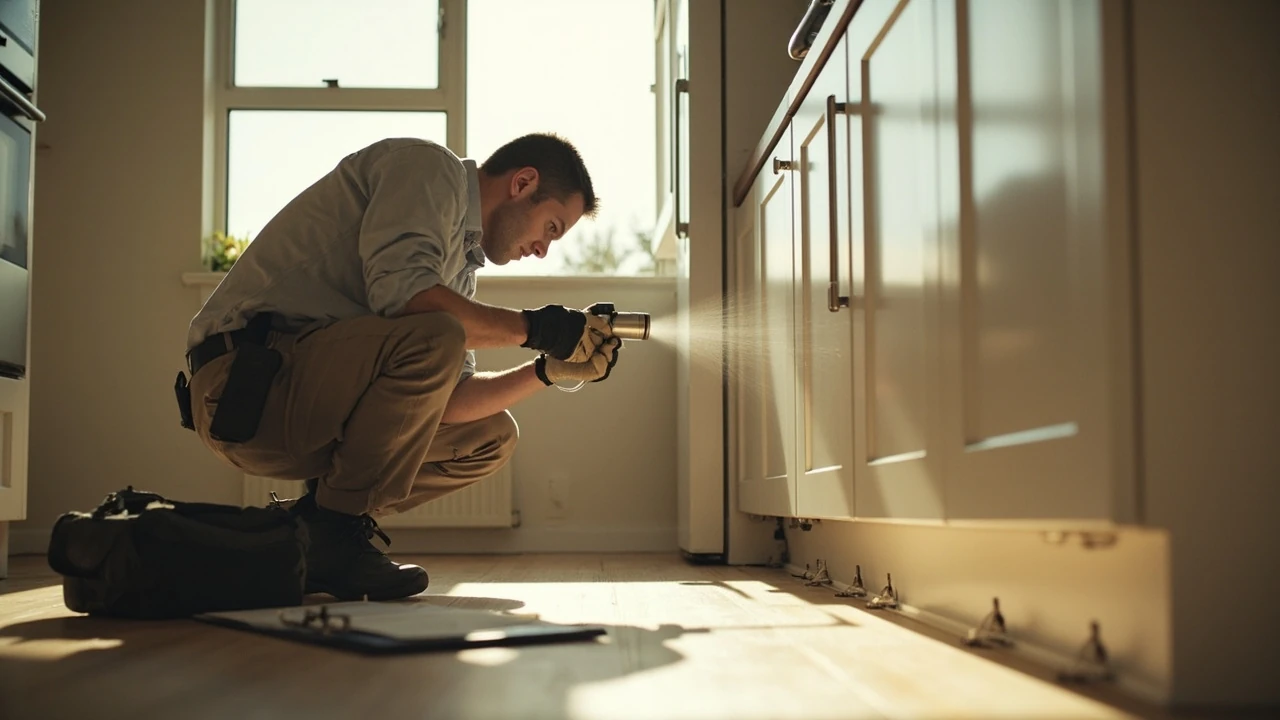
Pest control adalah: what the term covers in homes, businesses, and agriculture
A homeowner spots a thin trail of droppings along a pantry shelf, hears a soft rustling inside a ceiling void, or watches yellowing patches spread across a lawn. Each of these observations points to the same broad subject: pest control adalah the practice of identifying, preventing, and reducing organisms that interfere with human activity, health, or property. The phrase shows up often in Indonesian and Malay search queries, where “adalah” simply means “is,” so a question framed as “pest control adalah apa” or “pest control adalah” is really asking for a clear definition, a method overview, or both.
For an English-speaking audience that runs into the same Indonesian-language query through translated articles, business documents, or regional contractors, the question still lands on the same practical ground. What does pest control actually cover, why is it structured the way it is, and which methods apply to a given situation? The rest of this page answers those questions for homeowners, tenants, facility managers, and small business owners who need a working understanding rather than a research paper.
Why the term matters beyond a simple definition
Pest control is not a single action. It is a layered discipline that includes inspection, identification, prevention, monitoring, and treatment, and the term itself signals the entire workflow. Once a reader understands that pest control adalah an organized response rather than a one-time spray, the choices around methods, products, timing, and professional help become easier to evaluate.
Three practical reasons explain why the broader definition matters in everyday decisions:
- Misidentification wastes money. Treating a moisture problem as a termite infestation, or a carpet beetle issue as a bed bug problem, can multiply damage instead of reducing it.
- Prevention usually beats reaction. Sealing entry points and removing food sources often costs less than repeated chemical treatments, and it reduces the chance of resistant infestations developing.
- Safety follows structure. A defined process places inspection before chemical use, which lowers unnecessary exposure to pesticides for people, pets, and non-target wildlife.
Without that structure, the same household can end up buying three different products over six months, none of which address the actual entry point behind the dishwasher where the problem keeps restarting.
What counts as a pest
The term “pest” is broader than most people assume. According to the Wikipedia overview of the field, a pest is any animal, plant, or fungus that adversely affects human activities or the environment. That definition covers everything from rats in a kitchen to invasive weeds in a field and mould in a bathroom ceiling. The label depends on context, not on the species itself: a bat roosting in a forest is wildlife, but a bat colony in an attic is a pest problem because of the droppings, the odour, and the potential for rabies exposure.
The most common pest categories seen in residential and light commercial settings include:
- Insects such as ants, cockroaches, termites, bed bugs, fleas, stored-product pests, and mosquitoes.
- Rodents such as rats and mice, which cause structural damage, contaminate food, and carry pathogens.
- Birds and wildlife such as pigeons, bats, raccoons, squirrels, and possums that nest inside structures.
- Plants and fungi such as invasive weeds, mould, and wood-decay fungi that damage buildings or landscapes.
Each category tends to require a different combination of tools, so the first step in any pest plan is correct identification rather than product selection. A can of general-purpose spray bought off a hardware shelf will rarely fix a carpenter ant colony if the moisture-damaged wood that supports the colony is not repaired at the same time.
How pest control is structured: the four-stage model
Most professional programs follow a repeating cycle. Even when a homeowner manages pest control on their own, the same stages apply, and skipping one of them usually leads to a recurring problem months later.
| Stage | Goal | Typical activities | What can go wrong if skipped |
|---|---|---|---|
| Inspection | Confirm pest identity and scope | Visual check, droppings and damage review, moisture readings, asking the occupant about activity patterns | Treating the wrong pest or missing a hidden nest behind a wall |
| Identification | Pinpoint species and pressure level | Compare samples, check behavior, rule out look-alike species such as carpet beetles versus bed bugs | Choosing an insecticide or bait that does not work on the actual species present |
| Prevention | Remove conditions that attract pests | Seal gaps, fix leaks, improve sanitation, store food in closed containers, trim vegetation away from structures | Pests return even after treatment because the original attractant is still present |
| Treatment and monitoring | Reduce current population and verify results | Traps, bait, targeted sprays, heat or cold treatments, follow-up inspections, written service log | No way to confirm whether the problem is actually under control or just temporarily quiet |
The cycle usually returns to inspection because pest pressure changes with seasons, construction, and nearby land use. A plan that worked in winter may need adjustments in spring when ants begin trailing indoors, or after a heavy rain that pushes rodents upward into attic spaces.
Main methods of pest control and where each one fits
Once the inspection and identification stages are complete, the next decision is which method or combination of methods to apply. The Wikipedia entry on pest control describes the same family of methods used in both agriculture and urban settings, and a practical summary helps match each method to a real situation.
| Method | How it works | Typical settings | Strengths | Limitations |
|---|---|---|---|---|
| Cultural or mechanical | Hand removal, screens, traps, door sweeps, netting, and habitat changes | Gardens, kitchens, small businesses, barns | Low chemical exposure, often low cost, immediate visual results | Labour intensive and easy to skip, which reduces effectiveness over time |
| Physical | Heat, cold, vacuuming, freezing, or steam to kill pests directly | Bed bug treatment in furniture, stored product fumigation, clothing, luggage | No chemical residue, good for sensitive items and electronics | Requires specialised equipment and training, not practical for whole structures |
| Biological | Uses predators, parasites, or pathogens to control pest populations | Greenhouses, fields, orchards, some urban release programs | Long-term control, low environmental impact when properly managed | Slow to take effect, sensitive to weather and to broad-spectrum chemicals nearby |
| Chemical | Insecticides, rodenticides, fungicides, and herbicides applied as sprays, baits, or dusts | All settings, from homes to large farms | Fast knockdown, scalable, well understood when label directions are followed | Resistance over time, risk to non-target species, residue concerns indoors |
| Integrated | Combines prevention, monitoring, and several control methods based on thresholds | Modern commercial programs, schools, healthcare facilities, sustainable agriculture | Reduces reliance on any single method, lowers long-term cost and risk | Requires more planning and documentation than a single treatment |
The right method is rarely just one row of this table. Ants in a kitchen may need sanitation work, entry-point sealing, and a targeted gel bait, while a farm field may combine crop rotation, resistant varieties, and a carefully timed spray. Mixing methods is normal and usually improves results, which is one reason the integrated approach has become standard in commercial settings.
What integrated pest management actually looks like in practice
Integrated For additional context, pest management, often shortened to IPM, is the term most often used when prevention, monitoring, and multiple control methods are combined around clear decision points. A practical IPM program for a home or small business usually follows a recognisable pattern that can be written down and repeated.
- Set a tolerance level. Decide what level of pest activity is acceptable. One mouse sighting in a garage may not justify a full treatment plan, but a nest inside a wall usually does, because rodent urine and gnaw damage compound quickly.
- Monitor before treating. Use sticky monitors, inspection mirrors, or simply a written log of sightings to map out where pests are active and whether the problem is growing or shrinking.
- Apply the least risky method that works. Start with exclusion and sanitation. Move to mechanical and physical controls such as traps or heat. Use chemicals only when monitoring shows they are actually needed.
- Check results and adjust. Re-inspect after each step, and only escalate to stronger methods if monitoring shows the earlier step has not worked.
This sequence is what makes IPM different from a reactive approach. Reactive programs usually jump straight to the strongest available product, which can drive resistance in the pest population and leave the underlying attractant in place. The structured approach in IPM is the reason many schools, hospitals, and food facilities have moved to it over the past two decades, and the reason some jurisdictions now require written IPM plans for certain commercial accounts.
Common settings where pest control methods differ
Even when the underlying definition of pest control is the same, the daily work looks very different across settings. A short comparison helps frame where each method cluster tends to appear and why the priorities shift from place to place.
| Setting | Main pests of concern | Methods that usually appear first | Methods reserved for confirmed problems |
|---|---|---|---|
| Single-family home | Ants, cockroaches, mice, occasional termites or bed bugs | Exclusion, sanitation, traps, monitors placed along baseboards | Targeted baits, residual sprays, heat treatment for bed bugs |
| Apartment building | Bed bugs, cockroaches, mice, flies in shared garbage areas | Building-wide inspection, sealing, staff training, resident communication | Residual sprays, growth regulators, coordinated heat or fumigation |
| Restaurant or food facility | Flies, rodents, stored-product pests, cockroaches | Documented sanitation, proofing, frequent monitoring, staff logs | Crack and crevice treatments, bait stations placed per local code |
| Farm or orchard | Insect pests, weeds, fungal diseases, rodents at harvest | Crop rotation, resistant varieties, biological control, monitoring traps | Targeted pesticide applications based on economic thresholds |
| Healthcare or school | Rodents, cockroaches, bed bugs, occasional birds or bats | Strict sanitation, exclusion, low-toxicity methods, detailed records | Limited, targeted chemical use under regulated conditions |
Reading across the rows, the same pattern repeats: prevention and monitoring come first, and more intrusive methods are saved for situations where the monitoring data actually justifies them. The difference between settings is mostly about how much documentation is required and which products are legally allowed indoors.
Safety, regulation, and what to expect from a professional visit
Most countries regulate which pest control products can be sold to the public and which require a licensed applicator. Even within a home, there are practical rules that reduce risk without making pest control harder.
- Read the label. Application rate, target species, and re-entry times are not suggestions. They are legal requirements written into the product registration and tested before the product is sold.
- Match the product to the site. Products labelled for outdoor use should not be applied indoors. Products for kitchens usually need to be placed in bait stations or cracks, not sprayed on food surfaces.
- Protect non-target species. Pollinators, pets, fish, and birds are all sensitive to common ingredients. Choosing targeted products, applying them in the evening when bees are not foraging, and avoiding flowering plants all lower the risk.
- Document what was done. A short written record of what was applied, where, and when is useful for both safety and follow-up visits, and it is required for most commercial accounts.
When a professional service is hired, a typical visit includes a written inspection report, a list of target pests and activity levels, the proposed treatment with product names and locations, and a follow-up plan. The cost structure often combines a one-time setup fee with periodic monitoring visits, and it tends to be lower over time for buildings that follow the prevention advice.
One detail that catches many first-time customers off guard: the initial visit is often mostly inspection. The technician may place a few monitors and ask for a follow-up in a week or two before recommending any chemical treatment. That delay is a feature, not a lack of action, and it usually leads to a more accurate and less expensive treatment plan.
Choosing between DIY and professional pest control
Not every pest problem needs a service contract, and not every DIY attempt is wise. A few practical signals help decide which path fits the situation at hand.
- DIY usually fits a small number of ants along one counter, a single mouse in a garage, occasional flies near a bin, or stored-product moths caught early in a single pantry shelf.
- Professional help usually fits repeated sightings over several weeks, evidence of structural damage such as mud tubes, frass, or gnaw marks, any sign of bed bugs, wildlife living inside the structure, or a commercial account with audit requirements.
The middle ground is common: a homeowner does the inspection and prevention work, then calls a licensed technician for a single targeted treatment and a written report. This split approach keeps the cost down while still benefiting from professional product access and accurate identification.
How pest control has changed over time
The modern field grew out of agricultural need and then expanded into urban settings. The historical arc helps explain why today’s methods look the way they do and why some older products are no longer available.
Cats were used in ancient Egypt to protect grain stores from rodents, and ferrets were domesticated in Europe around 1500 BC for the same purpose. Sumerian records from around 2500 BC describe sulphur compounds being used as insecticides, which makes chemical pest control one of the older branches of applied chemistry. The modern chemical era really began with the spread of the Colorado potato beetle across the United States, which pushed farmers and regulators toward arsenical compounds and, later, synthetic insecticides such as DDT.
The 1960s brought growing concern about side effects on wildlife and human health, which is why biological control, sterilisation programmes, and resistant crop varieties received renewed attention. In the late twentieth century, integrated pest management became the standard framework in many commercial programs, and it remains the dominant approach in schools, healthcare, and sustainable agriculture today. The general direction over the last sixty years has been a steady shift away from calendar-based spraying and toward monitored, threshold-based decisions.
Practical signs that a pest problem needs urgent attention
Some pest sightings can wait for a planned weekend of prevention work. Others point to a problem that is already advanced and likely to grow quickly. Recognising the difference saves both money and stress.
- Structural clues. Mud tubes on foundation walls, piles of fine sawdust called frass, hollow-sounding wood, or damaged wiring insulation are signs of active termites, carpenter ants, or rodents and should be inspected quickly.
- Repeated sightings. A single mouse in a garage is one thing. A mouse seen three nights in a row in the kitchen usually means a nest inside the wall cavity, and exclusion work plus bait stations are needed promptly.
- Health signals. Bites that appear in a line or cluster, especially after travel or stays in shared accommodation, point to bed bugs. Droppings near food packaging, strong musty odours in basements, and visible cockroach activity in kitchens are also signs that the problem has moved past the early stage.
- Contamination risk. Rodent activity in a pantry, gnawed packaging, or rodent droppings in food-prep areas needs immediate cleaning and proofing, because some rodent diseases spread through contact with urine and faeces.
When any of these signs appear, a quick inspection by a licensed technician is usually cheaper than waiting to see whether the problem resolves on its own. Pests almost never leave a comfortable food and shelter source without pressure, and time tends to work in their favour.
Frequently asked questions
What does pest control adalah really mean in plain English?
It means pest control is the practice of managing organisms that damage property, food, or health. The phrase is common in Indonesian queries and translates directly to “pest control is,” so the answer always points back to the same definition: identification, prevention, treatment, and monitoring.
Is pest control the same as extermination?
Extermination is one part of pest control. Pest control also includes inspection, identification, prevention, and ongoing monitoring. An exterminator usually focuses on removing an existing infestation, while a pest control program aims to keep populations below a set threshold over time.
What is the difference between pest control and pest management?
The terms are often used interchangeably. Pest management tends to imply a longer-term, structured program that emphasises prevention and monitoring, while pest control is the broader umbrella that includes both one-off treatments and ongoing management plans.
How do I know whether to do pest control myself or hire a professional?
Small, contained issues such as a few ants in a kitchen, a single mouse, or occasional flies can often be handled with over-the-counter products, traps, and exclusion work. Widespread activity, recurring problems, evidence of structural damage, or anything involving termites, bed bugs, or wildlife usually benefits from a licensed technician with the right equipment.
What is integrated pest management and is it effective?
Integrated pest management is a structured approach that combines prevention, monitoring, and several control methods rather than relying on a single product. It is widely used in schools, healthcare facilities, and modern agriculture because it reduces chemical use while keeping pest pressure under control over the long term.
Are professional pest control treatments safe around children and pets?
When products are applied according to the label and the technician follows the posted re-entry times, exposure is usually low. The practical steps for households are to ask which products will be used, follow any ventilation or drying instructions, and keep pets and children away from bait stations and treated areas until those instructions are complete.
How long does a pest control treatment last?
It depends on the pest, the method, and the conditions of the site. Some treatments are designed to act within hours, while others such as bait programs and exclusion work can take several weeks to show full results. A follow-up inspection after two to four weeks is a useful benchmark for most indoor treatments.
Can pest control be done without chemicals?
Yes. Physical methods such as heat treatment, traps, vacuuming, freezing, and exclusion work can resolve many indoor pest problems without any pesticide. Chemical products become useful when the infestation is large, when non-chemical methods have not been enough, or when speed is a priority for health or safety reasons.
How often should a home or business be inspected for pests?
Most low-risk homes do well with a self-inspection every few months and a professional inspection once a year. Restaurants, food facilities, and buildings with a history of pest activity usually need professional monitoring on a monthly or quarterly schedule, depending on local regulation and the documented history.
What is the most common mistake people make with pest control?
Treating the symptom instead of the cause. Spraying visible ants, setting a single mouse trap, or fogging a room can reduce activity for a short time, but if the entry point, moisture source, or food attractant remains, the problem returns. Following the inspection, identification, prevention, and treatment sequence in that order avoids most of the repeat infestations people struggle with.
Leave a Reply